Your due date sits on the calendar like a deadline for pain you cannot rehearse. Friends share birth stories — some glowing, some traumatic — and your body tightens at every Braxton Hicks.
You want to meet your baby and also want to rewind three months and hide.
First-baby birth anxiety is medically recognised, not a character flaw. NHS maternity pathways and Mind perinatal guidance treat fear of childbirth as a valid reason for support — especially when stories and social media fill the gaps midwives never had time to close.
How you might be feeling
Birth fear often arrives as intrusive movies — tearing, emergency sections, not coping, being ignored in labour. You might envy people who seem excited while you flinch at antenatal class videos.
The images feel vivid and real, even though you know they are not a preview of what will happen to you.
Shame says you should be grateful this pregnancy reached term — and you are — while terror still occupies your chest. Both truths fit at the same time. You are allowed to want this baby deeply and still dread the path to meeting them. You may avoid packing the hospital bag because finishing feels like consenting to the cliff edge. Or you over-prepare lists at 3 a.m. seeking control that labour refuses to guarantee. Partners sometimes misunderstand fear as negativity — leaving you lonely at the very moment you need shared planning, not pep talks.
What is usually normal
The National Childbirth Trust (NCT) and NHS antenatal materials note that most first-time parents report significant fear before birth. The intensity varies widely, and treatment exists when fear becomes disabling rather than manageable.
Information reduces some fear — knowing when to call triage, what an epidural involves, and who can stay with you — without erasing the unpredictability that makes birth feel so daunting. Practical knowledge can shrink the unknown without promising a particular outcome.
Previous loss or fertility struggle commonly amplifies dread, and midwives adjust pacing and monitoring conversations accordingly when they know your history. Brief nerves before scans and classes are expected; being able to function across the day is what distinguishes typical worry from clinical anxiety.
What you can try tonight
-
Before baby arrives home prep planner — one room, one task: where baby sleeps, where notes live.
-
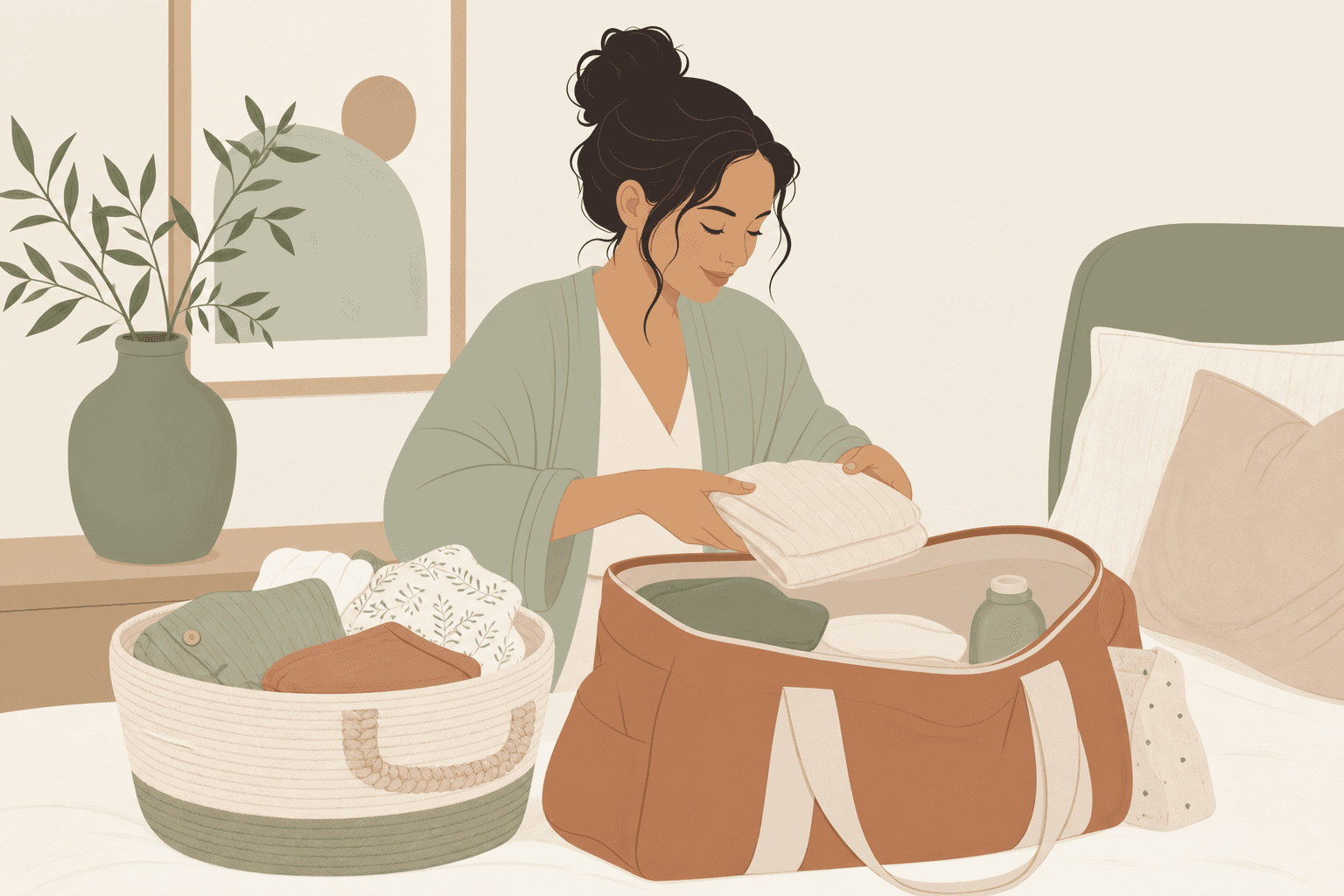
Hospital bag coming home checklist — pack half the bag; partner finishes tomorrow so load splits.
-
Calm start affirmation prompt cards — pick two phrases that feel believable, not Instagram fluff.
-
Midwife message — one sentence: I am anxious about birth; can we discuss options at next visit?
-
Limit birth story threads after this page — one NHS birth plan resource only.
When to contact someone
General practitioner (GP) or midwife if fear runs most days, you avoid appointments, or sleep and appetite collapse.
Perinatal mental health team via general practitioner (GP) referral for tokophobia-level dread.
Tommy's pregnancy line for emotional support.
At your appointment
Tell midwife or general practitioner (GP): birth anxiety is affecting daily life and I need a plan.
- Triggers — stories, exams, certain dates
- What you have tried — classes, breathing, prep
- Support available in labour
Related reading
- Mental health hub: Hub postpartum mental health
- Anxiety: Postpartum anxiety help
- First days: Hub first days home
- Overwhelm: Postpartum overwhelm help
Official sources
If printable helps
Before baby arrives home prep planner splits home setup into survivable steps. Hospital bag coming home checklist covers labour and return. Calm start affirmation prompt cards offer short grounding phrases for surges and early feeds.