You may be pregnant still, bag half-packed, or home three days with a newborn on your chest wondering when you officially feel like a mum. Becoming a mum for the first time is not one moment — it is a sequence: prep, birth, discharge, first night, first week, first time you answer to mum without flinching.
The gap between antenatal imagination and postnatal reality catches most first-timers. This page walks that bridge — from hospital bag to first days home — without pretending you should feel ready before you are.
How you might be feeling
Antenatal you might feel excitement and dread in the same breath — pram chosen, birth plan drafted, still terrified of the first nappy. Postnatal you might feel the same with sharper edges.
Identity lag is common — you answer to your name while internally searching for the mum you expected to become overnight. You might mourn the old self while loving the baby — both true, both disorienting. Becoming is not instant transformation.
Visitors may treat you as expert because you are mum now — inside you still Google basics. That gap is normal, not fraud. If birth was traumatic, becoming a mum can feel like survival first, joy later — tell general practitioner (GP) that timeline; support exists.
What is usually normal
NHS pregnancy and baby pathways assume first-time parents learn identity through repeated care tasks — feeds, comfort, appointments — not a single bonding lightning bolt. Hospital bag lists vary by trust; coming-home prep matters more than matching Pinterest photos.
First nights are noisy and fragmented for most — becoming a mum includes accepting non-linear sleep before routines emerge. Health visitor contacts bridge hospital to community — use them to ask becoming-a-mum questions you are embarrassed to text friends.
What you can try tonight
-
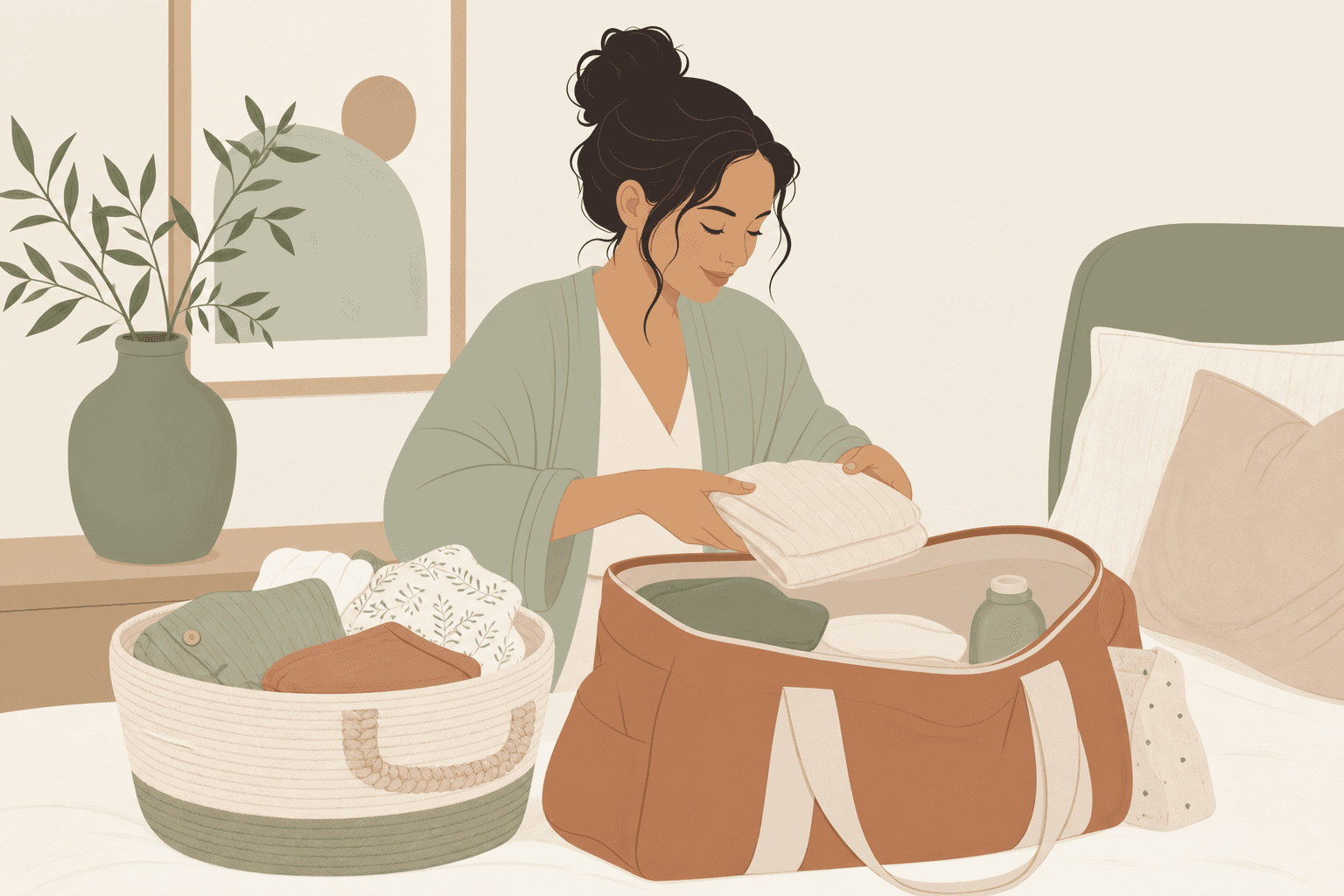
If still pregnant — open hospital bag coming home checklist; pack one section only tonight.
-
If home recently — first 72 hours checklist; tick feeds, nappies, your recovery signs.
-
Night one terror — first night home with baby TL;DR before deep reading.
-
Name one becoming fear — write one line for health visitor: I expected X, feeling Y.
-
Partner shares load — they own bag prep or night nappy station so you are not solo transition.
When to contact someone
999 for baby medical emergency or harm thoughts to you or baby.
NHS 111 for urgent symptoms after hours.
Midwife, general practitioner (GP), or health visitor for feeding failure, your infection signs, or mood beyond baby blues.
At your appointment
Say: I am becoming a mum for the first time and need realistic expectations.
- Prep completed versus gaps
- Identity or mood worries — not just baby metrics
- Birth experience if it affects how you feel now
Related reading
- Discharge to weeks: Hub first days home
- Night one: First night home with baby
- Mood in the transition: Postpartum overwhelm help
- Red flags: When to get help postpartum
Official sources
If printable helps
Before birth: hospital bag coming home checklist. Discharge week: first 72 hours at home checklist. First week: first 7 days new mum guide. Longer becoming arc: first 6 weeks roadmap. Overwhelm in transition: new mum overwhelm reset guide.